How to Calculate Solar Panel Installation Cost Effectively?
When considering solar power, understanding solar panel installation cost is crucial. According to David Green, a leading expert in renewable energy, “A well-planned solar installation can save you thousands.” His words underscore the importance of effective cost management.
Calculating the solar panel installation cost involves various factors. These include equipment fees, labor charges, and permits. Homeowners often overlook hidden costs. For instance, roof repairs may add to the overall price. Each home is unique, so customization can impact expenses significantly.
Many individuals underestimate the initial investment. However, considering long-term savings and tax incentives is vital. The complexity of various pricing elements requires thoughtful analysis. It’s essential to research before making a decision. Taking the time to evaluate can lead to a more affordable and efficient installation process. Remember, each dollar spent wisely on solar can yield long-term benefits.

Understanding the Factors Influencing Solar Panel Installation Costs
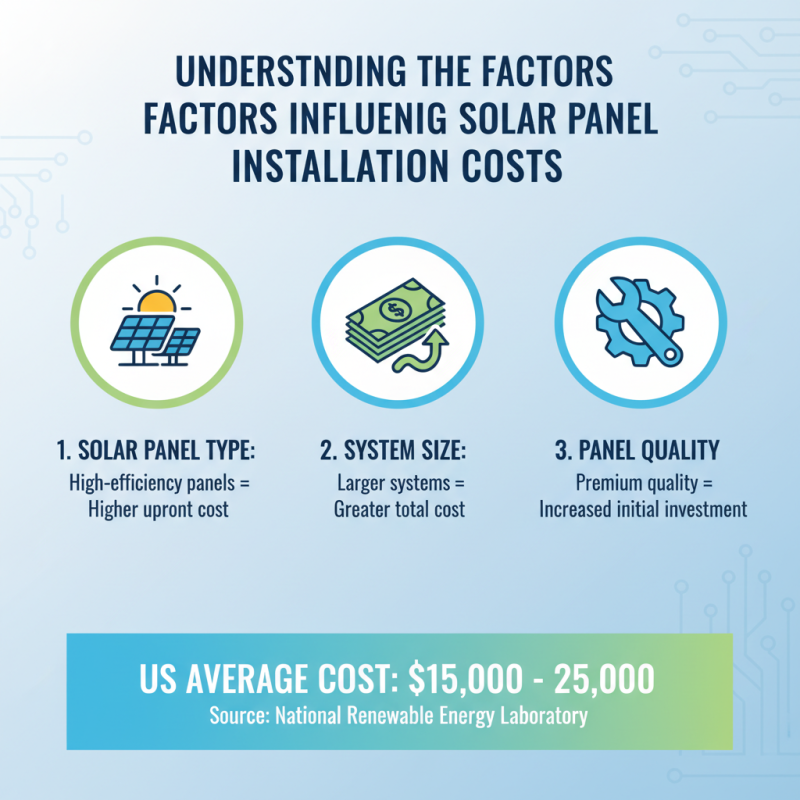
When calculating the cost of solar panel installation, multiple factors come into play. One key element is the type of solar panels selected. High-efficiency panels may offer better long-term savings but often come with a higher upfront cost. According to the National Renewable Energy Laboratory, the average cost of solar installations in the U.S. ranges from $15,000 to $25,000, depending on the system size and panel quality.
Installation complexity is another aspect influencing costs. Roof type, system size, and the need for electrical upgrades can significantly affect the total. For example, a rooftop installation on a steep roof may require more labor and equipment, raising overall expenses. Additionally, local permits and inspections can add unexpected costs, sometimes leading to delays and increased budgets.
Furthermore, labor costs vary by region. According to the Solar Energy Industries Association, labor accounts for approximately 30% of a solar system's installation cost. Understanding local market rates can help in budgeting effectively. Potential tax credits and incentives can also influence decisions. However, navigating these financial aspects requires careful consideration. Many homeowners experience frustration due to unexpected costs. Therefore, it's essential to conduct thorough research and gather multiple quotes for a clearer financial picture.
Estimating Solar Panel System Size and Energy Needs
When estimating solar panel system size, start by assessing your energy needs. Evaluate your monthly electricity bills to understand your current usage. Look for patterns in your energy consumption. Note peak usage times and high-consumption appliances. This data is invaluable when sizing your solar system.
Next, consider your roof space. Measure the area available for solar panels. Different panel types have various efficiency levels. Higher efficiency panels require less space but may have higher costs. Calculate how many panels you can fit in your designated area. This estimation will help design a system that meets your energy needs while staying within your property’s constraints.
Lastly, reflect on your future energy needs. Will you add appliances or an electric vehicle? Anticipating changes can prevent undersizing your system. Seek advice from solar professionals to refine your estimates. They can provide insights based on your consumption patterns and local weather conditions. Balancing current and future needs is critical for effective solar energy planning.
Breaking Down the Costs: Equipment, Labor, and Permits
When considering solar panel installation, breaking down the costs is vital. Equipment costs include solar panels, inverters, and batteries. Prices can vary widely based on technology and quality. It's wise to research types and choose wisely, considering long-term performance and warranties. Skimping on equipment may save money now but can lead to higher costs later.
Labor costs often represent a significant portion of the budget. Skilled installers ensure the system operates efficiently and safely. Prices differ based on location and workforce availability. It's essential to get multiple quotes from professionals. This helps to understand the local market and avoid overpaying. Sometimes, installers offer lower rates with less experience. Weighing quality against cost is crucial.
Permits may seem minor, but they can add up quickly. Costs for permits can vary widely by region. Local regulations influence the required documentation and associated fees. A thorough understanding of these requirements can save time and frustration. Ignoring permits could lead to legal issues. It’s advisable to account for all necessary permits in the budget. Testing the limits of your knowledge here can lead to oversights and regrets in the long run.
Solar Panel Installation Cost Breakdown
This chart illustrates the breakdown of the costs associated with solar panel installation, including equipment, labor, permits, maintenance, and other costs. Understanding these costs can help in budgeting and planning for a solar energy system.
Exploring Financing Options and Incentives for Solar Installation
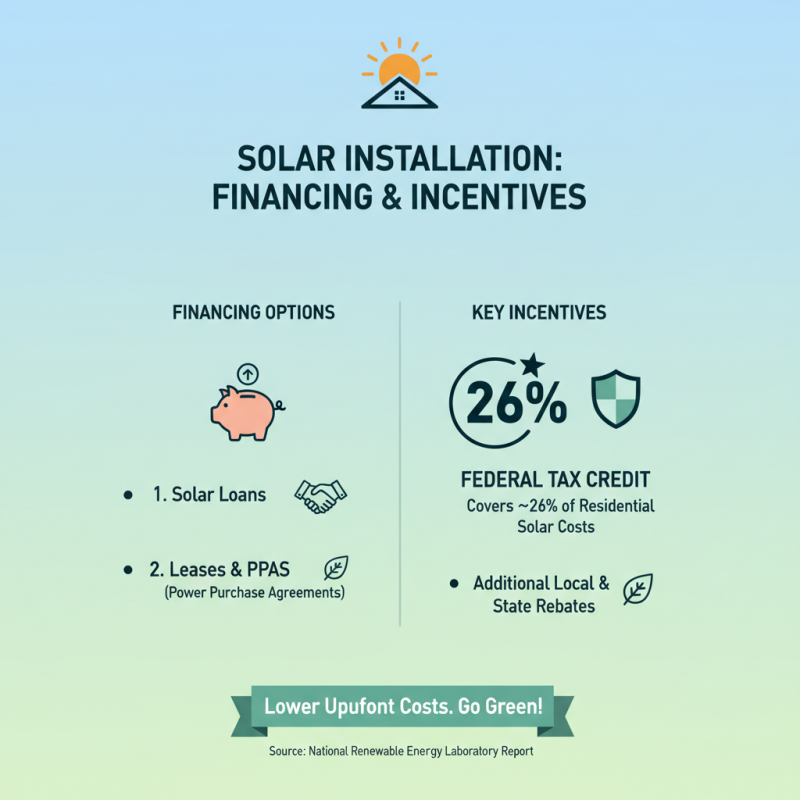
When considering solar panel installation, financing options play a critical role. Homeowners can access various incentives to reduce upfront costs. According to a National Renewable Energy Laboratory report, federal tax credits can cover about 26% of installation costs for residential solar systems. This significant reduction makes solar energy more accessible.
Many states offer additional incentives. Some provide cash rebates, while others reduce property taxes for solar installations. These incentives can vary widely, so researching local programs is essential. Potential savings of thousands of dollars are possible, but it requires diligence to find the best option.
Tips: Look up state-specific solar programs. Check if there are grants available. Don’t overlook financing options like solar loans or power purchase agreements. Each choice has pros and cons, so weigh them carefully.
It’s important to note that these financial benefits may change. Legislative shifts can impact available incentives. Staying informed will enhance your decision-making. Make sure to consult with local experts who understand the latest regulations and pricing structures.
Calculating Long-term Savings and Return on Investment for Solar Panels
Calculating long-term savings and return on investment (ROI) for solar panels is crucial for homeowners. When assessing costs, consider
installation fees, permits, and equipment. Research indicates a typical payback period ranges from
five to seven years. After this, savings can accumulate significantly.
Tip: Get multiple quotes from local installers. This helps compare pricing and services. Beware of hidden fees that can inflate your initial costs. Knowing your local energy rates also assists in estimating potential savings.
Another factor to consider is your energy consumption. Evaluate your electricity bills to determine usage patterns. A solar system can offset much of this cost over time. However, not all roofs are ideal for solar. Shade, orientation, and size affect efficiency.
Tip: Monitor performance regularly after installation. Systems may not always perform as expected. If savings do not align with projections, address potential issues early. Regular maintenance can enhance efficiency and improve ROI.