Top 10 Solar Canopy Parking Lot Innovations in China Today?
In recent years, the solar canopy parking lot sector has seen remarkable innovations across China. Experts like Dr. Li Wei, a leading authority in renewable energy solutions, emphasize the importance of this technology. He stated, “Solar canopies not only provide shade but also harness clean energy effectively.” This innovative approach addresses both environmental challenges and urban planning issues.
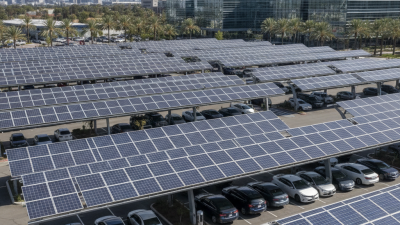
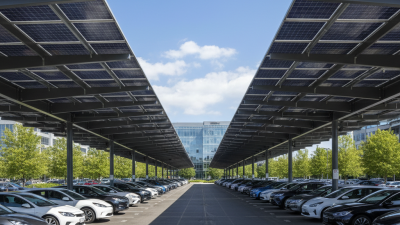
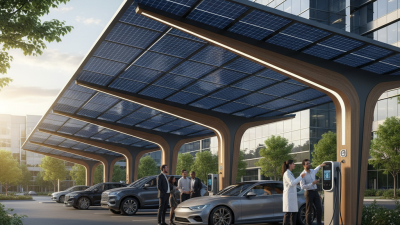
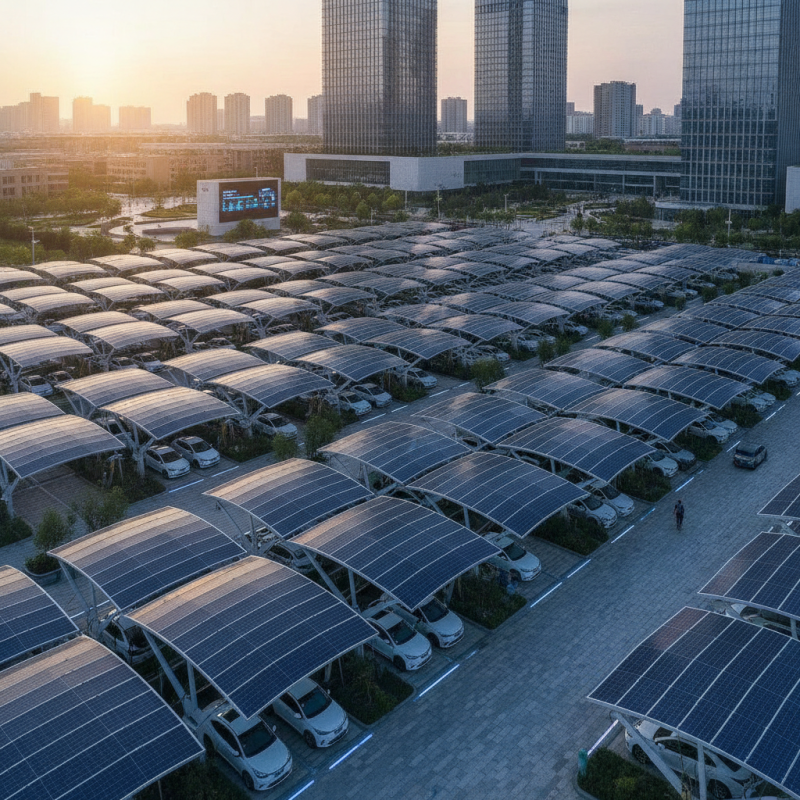
Solar canopies transform typical parking spaces into energy-generating assets. They harness sunlight to produce electricity while protecting vehicles from harsh weather. Many cities are adopting this technology, recognizing its dual benefits. Large commercial centers and universities are increasingly fitting solar canopies into their parking lots. This trend promotes sustainability and reduces electricity costs.
Despite these advantages, some challenges remain. Not all regions offer sufficient sunlight year-round, which can impact energy generation. Additionally, the initial investment for solar canopies can be daunting for smaller businesses. Stakeholders must weigh these factors carefully. The future of solar canopy parking lots is promising, but it requires ongoing evaluation and adaptation.
Innovative Solar Canopy Designs Transforming Parking Lots in China
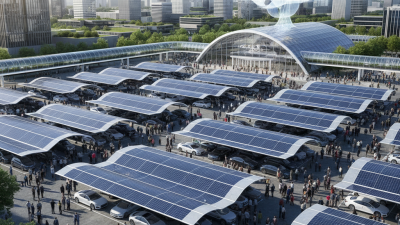
Innovative solar canopy designs are reshaping parking lots across China. These structures not only offer shade but also harness solar energy. A recent report from the China Renewable Energy Society indicates a rapid growth in solar installations, predicting a 15% increase in solar energy utilization in urban areas by 2025. The dual functionality of these canopies makes them an attractive solution for both commercial and residential spaces.
Unique designs are emerging, integrating aesthetics with functionality. Some canopies are equipped with electric vehicle charging stations, supporting the growing EV market. Data from the National Energy Administration reveals that electric vehicle sales in China surged by over 200% in the last year. Incorporating solar canopies in parking lots can significantly reduce the carbon footprint of these vehicles, as they can charge using renewable energy.
Tip: Focus on incorporating green practices in your parking lot project. Consider how to make the canopy more than just a shelter. Look for ways to include additional features, like lighting powered by solar energy. This can further enhance sustainability. While these designs show promise, there are challenges. Regulations may vary across regions. Keeping abreast of these laws ensures a smoother implementation process.
Integration of EV Charging Stations in Solar Canopy Structures
The integration of EV charging stations within solar canopy structures has become a significant trend in China's parking lot innovations. According to a recent report from the China Electric Vehicle Charging Infrastructure Promotion Alliance, the demand for EV charging points is projected to reach 4.8 million by 2025. This surge presents an opportunity for solar canopies to maximize space and enhance the sustainability of parking areas.
Solar canopies provide shade while generating renewable energy. They can power EV charging stations efficiently. With the average EV charger consuming around 7 kW, a solar canopy equipped with 100 kW of solar panels could potentially charge up to 14 electric vehicles simultaneously during peak sunlight hours. In urban areas with limited land use, this dual-purpose solution addresses the challenge of charging infrastructure availability while promoting clean energy.
However, the implementation of these structures can face hurdles. Initial costs for installation are high, and maintenance remains a concern. Some studies indicate that while solar energy costs are declining, the upfront investment still deters many businesses from adopting this technology. Continuous advancements in battery storage could alleviate some of these issues, allowing better energy management for EV chargings. Balancing costs with long-term benefits is a crucial consideration for stakeholders.
Top 10 Solar Canopy Parking Lot Innovations in China Today
Smart Solar Canopies: Technology Enhancements for Efficiency
As solar energy adoption grows in China, innovative solar canopies for parking lots are gaining attention. These structures do more than provide shade. They harness solar power, enhancing energy efficiency. Recent advancements have introduced intelligent monitoring systems. These systems optimize energy output and monitor weather conditions in real-time, significantly improving performance.
Moreover, the integration of energy storage solutions has emerged as a critical aspect. Parking lots equipped with battery systems can store excess energy generated during peak sunlight. This stored energy can be utilized during cloudy days or nighttime. This dual functionality offers a reliable energy source and highlights the innovative spirit within this sector.
However, challenges remain in the widespread implementation of these technologies. Installation costs can be high, deterring potential adopters. Additionally, maintaining the operational efficiency of these smart systems can be complex. Local authorities often struggle to keep pace with rapid technological developments. There’s a need for broader education and incentives to facilitate this transition. The balance between innovation and practicality is still being navigated.
Top 10 Solar Canopy Parking Lot Innovations in China Today
| Innovation |
Description |
Efficiency Improvement (%) |
Estimated Cost (USD) |
CO2 Reduction (kg/year) |
| Adjustable Solar Panels |
Panels that adjust angle for maximum sunlight capture |
30 |
15,000 |
8000 |
| Smart Energy Management System |
Integrated software to optimize energy use from solar |
25 |
10,000 |
6000 |
| LED Integration |
Solar canopies with integrated LED lighting |
20 |
8,000 |
5000 |
| Vehicle Charging Stations |
Direct solar-powered EV charging facilities |
35 |
25,000 |
8500 |
| Green Roof Canopy |
A canopy that incorporates green roofing for insulation |
28 |
20,000 |
7000 |
| Rainwater Harvesting System |
Collects rainwater for irrigation and cleansing |
15 |
10,500 |
3000 |
| Dynamic Tracking Technology |
Panels that follow the sun's path for optimal exposure |
40 |
22,000 |
9000 |
| Modular Canopy Design |
Customizable and scalable canopy structures |
18 |
12,000 |
4000 |
| Advanced Photovoltaic Cells |
Utilizes next-generation solar cells for higher efficiency |
50 |
30,000 |
10000 |
| Smart Payment Solutions |
Integration of mobile payments for charging and services |
12 |
5,000 |
2000 |
Sustainable Materials Used in Modern Solar Canopy Construction
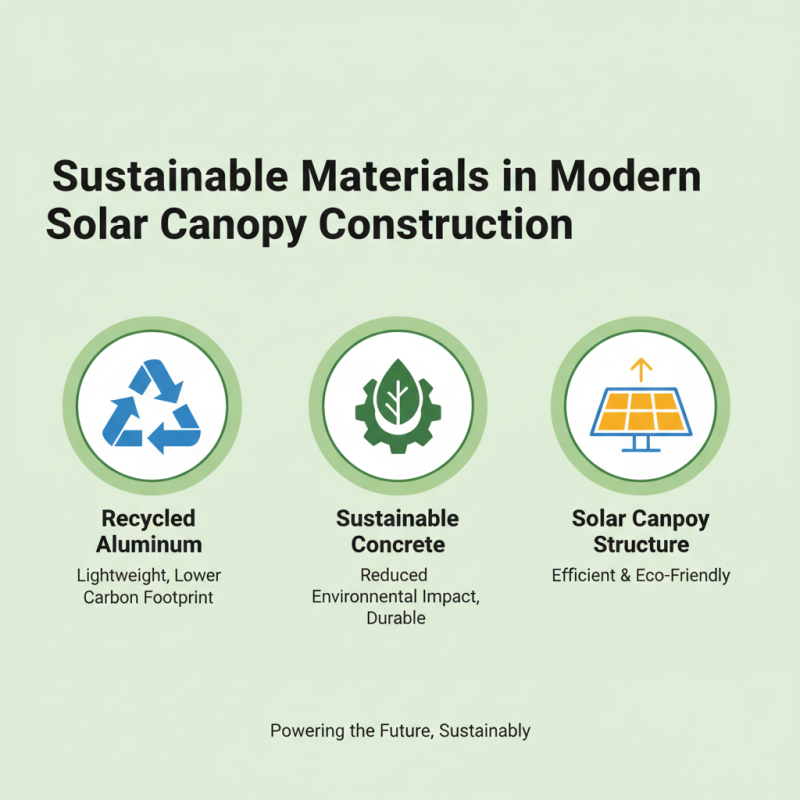
In recent years, solar canopy parking lots have gained traction in China. These structures utilize innovative sustainable materials, making them more efficient and eco-friendly. Common materials include recycled aluminum, which is lightweight and has a lower carbon footprint. Using sustainable concrete helps reduce environmental impact while providing durability.
The integration of green roofing materials is another exciting trend. This approach not only improves aesthetics but also promotes biodiversity. Vegetation can naturally manage rainwater and decrease heat absorption, benefiting both the canopies and the surrounding environment.
Tips: When exploring options for solar canopies, consider local materials to reduce transportation emissions. Look into prefabricated elements, which can often be assembled quickly on-site. Always verify the sustainability certifications of materials used, as this can impact the overall eco-friendliness of the project.
Case Studies of Successful Solar Canopy Implementations in Chinese Cities
Solar canopy parking lots have gained significant attention in China. They offer dual benefits: car protection and clean energy generation. In Beijing, a recent implementation of these canopies dramatically increased energy output. The design, while innovative, faced challenges during installation. Many workers noted issues with structural integrity that made assembly complex. Such challenges highlight the need for improved engineering practices.
In Shanghai, another successful case involved integrating solar canopies into urban planning. The project provided shaded spaces while generating electricity for surrounding businesses. Local residents appreciated the cooler parking spots. However, some expressed concerns about the canopies blocking views. This reflects a common tension between urban development and community feedback.
Cities are exploring various designs to enhance efficiency. Installations in Guangzhou have shown promising energy yield, but not without setbacks. Frequent weather changes can affect energy production, leading to fluctuations in efficiency. These nuances underline the importance of adapting systems to local climates. Overall, solar canopy projects in China represent a significant step forward, though they still require reflection and improvement.