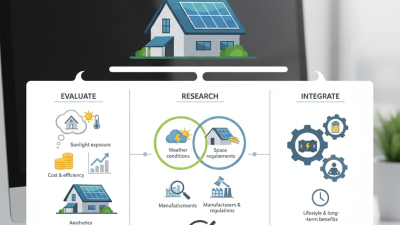
What is Solar Energy Uses Benefits and Market Trends?
Solar energy has emerged as a cornerstone in the quest for sustainable energy solutions. With growing concerns about climate change and resource depletion, experts are increasingly advocating for its benefits. Dr. Emily Tran, a leading solar energy researcher, aptly states, "Harnessing solar energy is not just a necessity; it's an opportunity for innovation."
This renewable source offers numerous applications, from powering homes to fueling electric vehicles. In recent years, the market for solar energy has expanded rapidly. More individuals and businesses recognize its potential. However, challenges remain, such as initial installation costs and technological limitations. Nevertheless, innovation is addressing these issues, making solar energy more accessible.
As nations strive for energy independence, solar energy's role is vital. The shift towards cleaner energy continues to gain traction. While there are hurdles, the momentum behind solar energy is undeniable. It represents both a challenge and a remarkable chance to reshape our future. Embracing solar energy could lead to a more sustainable world.

What is Solar Energy and How Does It Work?
Solar energy is derived from sunlight. It is harnessed using technologies like solar panels and solar thermal systems. Photovoltaic cells convert sunlight directly into electricity. This process involves the excitation of electrons in silicon cells. Those electrons generate current. Solar thermal systems collect heat from the sun to produce steam, which can drive turbines.
The use of solar energy has grown rapidly. It's popular for residential, commercial, and industrial applications. Many homeowners install solar panels to reduce electricity bills. This transition is motivated by both environmental and economic benefits. Solar energy lowers carbon emissions. It promotes energy independence.
Tips: Consider your local climate when planning solar energy solutions. Areas with more sunlight will yield better results. Also, check local incentives for solar energy installations. These can significantly reduce upfront costs. Regular maintenance of solar panels is crucial. Cleaning panels enhances efficiency and prolongs their lifespan.
Key Applications of Solar Energy in Different Sectors
Solar energy is increasingly used across various sectors, thanks to its versatility and sustainability. In residential areas, solar panels are now a common sight. Homeowners harness the sun's power to reduce energy bills. This transition not only cuts costs but also promotes eco-friendliness.
Installing rooftop panels has become a popular choice, especially in sunny regions.
In the industrial sector, solar power plays a significant role. Factories utilize solar thermal systems for heating processes. This action leads to lower operational costs and reduced carbon footprints.
Moreover, solar energy supports agricultural activities. Farmers are now adopting solar irrigation systems. These systems help them conserve water and cut electricity expenses. However, the initial investment remains a barrier for some.
Commercial enterprises are also tapping into solar solutions. Many businesses are opting for large solar farms. This trend helps them meet sustainability goals. Yet, some face challenges with land acquisition or regulatory approvals.
As solar technology evolves, further innovations may tackle these issues. Overall, the solar energy market continues to expand, reflecting a shift towards renewable energy.
Major Benefits of Solar Energy for the Environment and Economy
Solar energy offers significant advantages for both the environment and the economy. One key benefit is its role in reducing greenhouse gas emissions. By harnessing sunlight, we can decrease our reliance on fossil fuels. This shift leads to cleaner air and a healthier planet. The adoption of solar energy can also help combat climate change, addressing one of the most pressing global issues today.
Economically, solar energy presents many opportunities. Investment in solar technology creates jobs. These jobs include manufacturing, installation, and maintenance, supporting local economies. Moreover, widespread solar adoption can lower energy costs in the long run. Households and businesses can save money on their electricity bills. However, not all regions may benefit equally; availability of sunlight varies, impacting overall efficiency.
Despite its advantages, solar energy is not without challenges. Initial installation costs can be a barrier. Many people fear the upfront investment won’t pay off. Additionally, energy storage solutions are still developing and need improvement. These hurdles force the industry to innovate continuously. Addressing them will enhance the effectiveness of solar energy as a reliable resource.
Solar Energy Uses, Benefits, and Market Trends
This bar chart illustrates the major applications of solar energy along with their respective environmental and economic benefits, highlighting the increasing adoption rates in various sectors.
Current Market Trends and Growth Projections in the Solar Industry
The solar industry is experiencing significant growth, driven by rising demand for renewable energy. In recent years, solar energy has become a preferred choice for both residential and commercial applications. Analysts predict that this trend will continue as technology advances and costs decrease. The global solar market is projected to grow substantially, with numerous countries investing in solar infrastructure.
Investors are paying close attention to market trends. Data shows that installing solar panels now costs less than traditional energy sources in many regions. Consumer awareness about environmental issues also boosts demand. However, challenges remain, such as grid integration and storage limitations. These factors can impact growth trajectories, leading to potential investment risks.
Tips for potential investors in solar energy: Research local policies and subsidies. Understanding these can enhance project viability. Monitor technological advancements, as innovations can drive costs down. Stay updated on market trends and impacts of climate initiatives. Being aware of these elements is essential for making informed decisions. Adaptability and foresight can lead to success in this dynamic market.
Challenges Facing Solar Energy Adoption and Future Opportunities
Adopting solar energy faces several challenges.
Cost is significant.
Though prices are dropping, initial investments remain high for many. Installation requires skilled labor.
Not every region has access to qualified technicians. These barriers can delay project timelines and limit expansion.
Policy inconsistency hampers growth.
Shifts in government incentives create uncertainty.
Investors may hesitate to fund projects. Regulatory obstacles also slow down implementation.
In some areas, lengthy permitting processes complicate installations further.
Yet, opportunities abound.
Advancements in technology promise efficiency gains.
Innovations in storage solutions can address intermittency issues. Public awareness is rising, fostering support for solar initiatives.
Collaboration between sectors could enhance investment and drive adoption.