Best Solar Parking Canopy Options for Global Buyers?
As sustainability becomes a priority, solar parking canopies are gaining traction. These structures not only provide shade for vehicles but also generate clean energy. John Smith, a noted expert in renewable energy solutions, once stated, "Solar parking canopies represent a bright future for urban spaces." His words resonate as cities worldwide explore innovative ways to harness solar power.
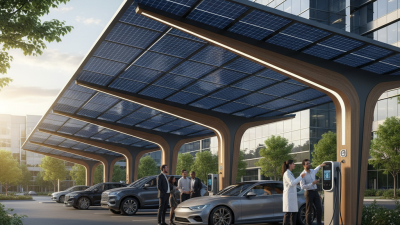
Solar parking canopies serve multiple purposes. They reduce heat absorption, which lowers energy costs. Moreover, they create valuable electric vehicle charging stations. With the right design, these canopies can transform parking lots into energy hubs. However, challenges still exist. Costs, space limitations, and installation logistics often require thoughtful consideration.
Choosing the best solar parking canopy involves assessing various factors. The location, climate, and aesthetic preferences all play a role. It's essential to work with reputable suppliers who understand local regulations. This ensures compliance and maximizes performance. As the industry evolves, staying informed is crucial. The choices today could shape the energy landscape for tomorrow.
Overview of Solar Parking Canopies and Their Benefits
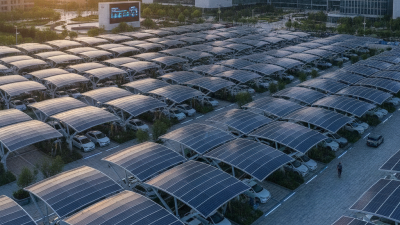
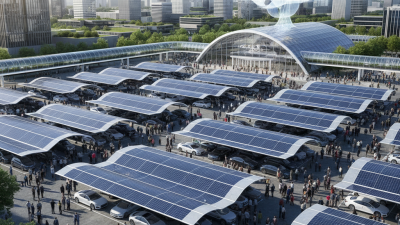
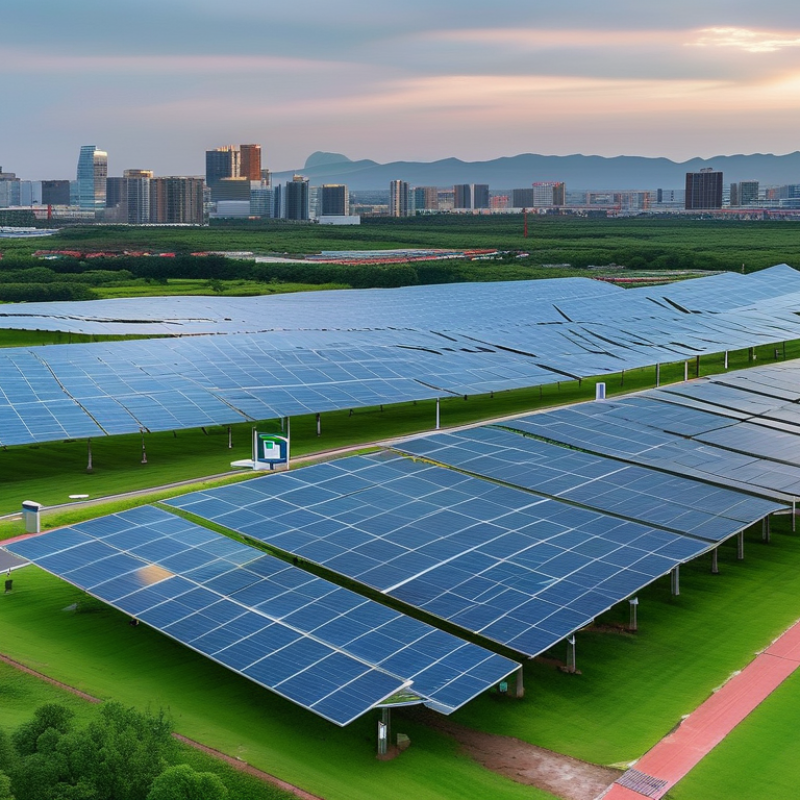
Solar parking canopies are becoming increasingly popular worldwide. They serve two primary purposes: providing shade and generating renewable energy. These structures combine car protection from the sun with solar panels, creating a functional and eco-friendly solution.
One notable benefit of solar parking canopies is their ability to reduce energy costs. They harness sunlight to produce electricity, which can power nearby facilities or feed into the grid. Moreover, they also create a more comfortable environment for users. Drivers and passengers enjoy cooler vehicles during hot weather. However, it's crucial to assess site-specific factors, such as orientation and shading. Not every location will maximize energy production.
Additionally, solar canopies can contribute to sustainability goals. They enhance urban sensibility and reduce carbon footprints. Yet, there's a challenge to consider: initial installation costs can be high. Buyers must weigh long-term savings against upfront investments. This reflection is vital for decision-making. As technology advances, finding affordable, efficient options is becoming easier.
Key Features to Consider When Selecting Solar Parking Canopies
When selecting solar parking canopies, several key features come into play.
The structure should provide adequate space for vehicles while allowing maximum sunlight exposure.
Canopies constructed with durable, weather-resistant materials are essential.
This ensures longevity and performance under various environmental conditions.
Considering energy efficiency is crucial. The solar panels should have a high conversion rate. Look for options that can withstand wind loads and snow accumulation.
Testing the structure’s resilience is vital before final installation. Safety features, such as proper grounding and secure mounting, should not be overlooked.
User-friendly design matters too. Canopies featuring integrated lighting increase safety in dark conditions.
Some may want options that allow for additional attachments, such as EV charging stations.
Lastly, budget constraints will influence choices. Explore affordable options that still meet necessary standards without compromising on quality and energy output.
Popular Materials Used in Solar Parking Canopy Construction
When considering solar parking canopies, material choices significantly impact performance and durability. Common materials include steel and aluminum. Steel frames offer strength, while aluminum is lightweight and resistant to corrosion. According to a recent market analysis, 45% of industry professionals prefer steel for its long lifespan. Yet, aluminum frames are gaining traction due to their eco-friendliness and lower maintenance needs.
Polycarbonate and glass are popular for canopies' tops. They provide excellent sunlight diffusion and UV protection. A report from the
Solar Energy Industries Association indicates that about
60% of new installations now use polycarbonate, highlighting its cost-effectiveness. However, polycarbonate can become discolored over time. This requires periodic replacement and inspection. Maintaining aesthetic appeal and performance is crucial.
The choice of material influences not only aesthetics but also
energy efficiency. Canopy frames need to withstand various weather conditions. For instance, heavy snowfall can affect structural integrity. A study revealed that
30% of failures in solar canopies resulted from improper material selection. This underscores the importance of tailored solutions based on local climate considerations. Global buyers should focus on these factors for successful installations.
Top Global Brands Offering Solar Parking Canopy Solutions
As global interest in renewable energy grows, solar parking canopies present an innovative solution. These structures provide dual benefits: generating solar power and maximizing parking space. A report by the International Energy Agency highlighted that solar energy could contribute up to 23% of global electricity production by 2030. This underlines the enormous potential of solar installations everywhere.
Many global brands specialize in solar parking canopies. They offer various designs and technologies that cater to different climates and requirements. These canopies can significantly reduce energy costs. A study showed that businesses with solar installations can cut energy expenses by up to 40%. However, the initial investment can be substantial. This is an important consideration for any buyer.
Tips: When choosing a solar canopy, consider your location and energy needs. Check if local incentives exist for solar investments. Assess the durability and warranty of the materials used. Not all canopies may withstand extreme weather well. Balancing upfront costs with long-term savings is crucial.
Comparative Analysis of Cost-Effectiveness for Different Canopy Options
When considering solar parking canopies, cost-effectiveness is a key factor. Different materials and designs can significantly impact expenses. For instance, steel frames tend to be more durable but are often pricier compared to aluminum options. This cost difference can affect long-term savings when accounting for maintenance and longevity.
Another crucial aspect is installation costs. Professional installation adds to the initial outlay. However, improper installation can lead to higher expenses later. Ensuring a reliable installation service is essential, though it may seem costly upfront. Some canopies come with integrated energy storage solutions, which can enhance overall efficiency. But these features can also increase the initial investment.
Assessing the return on investment is complex. While a more expensive canopy may yield better energy production, the break-even point varies widely. Buyers must analyze specific local energy costs and available incentives. Without careful evaluation, some choices may not deliver the anticipated benefits. Exploring all available options allows for a more informed decision, but the process can be daunting.
Best Solar Parking Canopy Options for Global Buyers
| Canopy Type |
Initial Cost (USD) |
Installation Cost (USD) |
Estimated Lifespan (Years) |
Annual Maintenance Cost (USD) |
Energy Output (kWh/Year) |
Cost Effectiveness (USD/kWh) |
| Standard Canopy |
$20,000 |
$5,000 |
25 |
$300 |
12,000 |
$2.08 |
| Premium Canopy |
$30,000 |
$7,000 |
30 |
$400 |
18,000 |
$1.72 |
| Modular Canopy |
$25,000 |
$6,000 |
28 |
$350 |
15,000 |
$1.83 |
| Custom Canopy |
$35,000 |
$8,000 |
35 |
$500 |
20,000 |
$1.75 |